
Why the Code Is Not Obvious
A garage-door remote, a contactor, and a tubular motor can all plausibly be classified as “electrical equipment”, and all three can be classified under different headings depending on the tariff schedule of the destination country. The classification sets the duty rate, and in some cases determines whether a certificate requirement applies at all.
Common Classification Tensions
| Product | Classification tension | What it affects | Note |
|---|---|---|---|
| Remote control | Radio equipment vs general electrical | Duty rate and possibly a certificate requirement | Band and transmit power affect the heading |
| Contactor | Switchgear vs general electrical | Duty rate differs significantly | Rated voltage is relevant to the heading |
| Tubular motor | Motor vs actuator | Duty rate and classification of the assembly | With or without the control changes the answer |
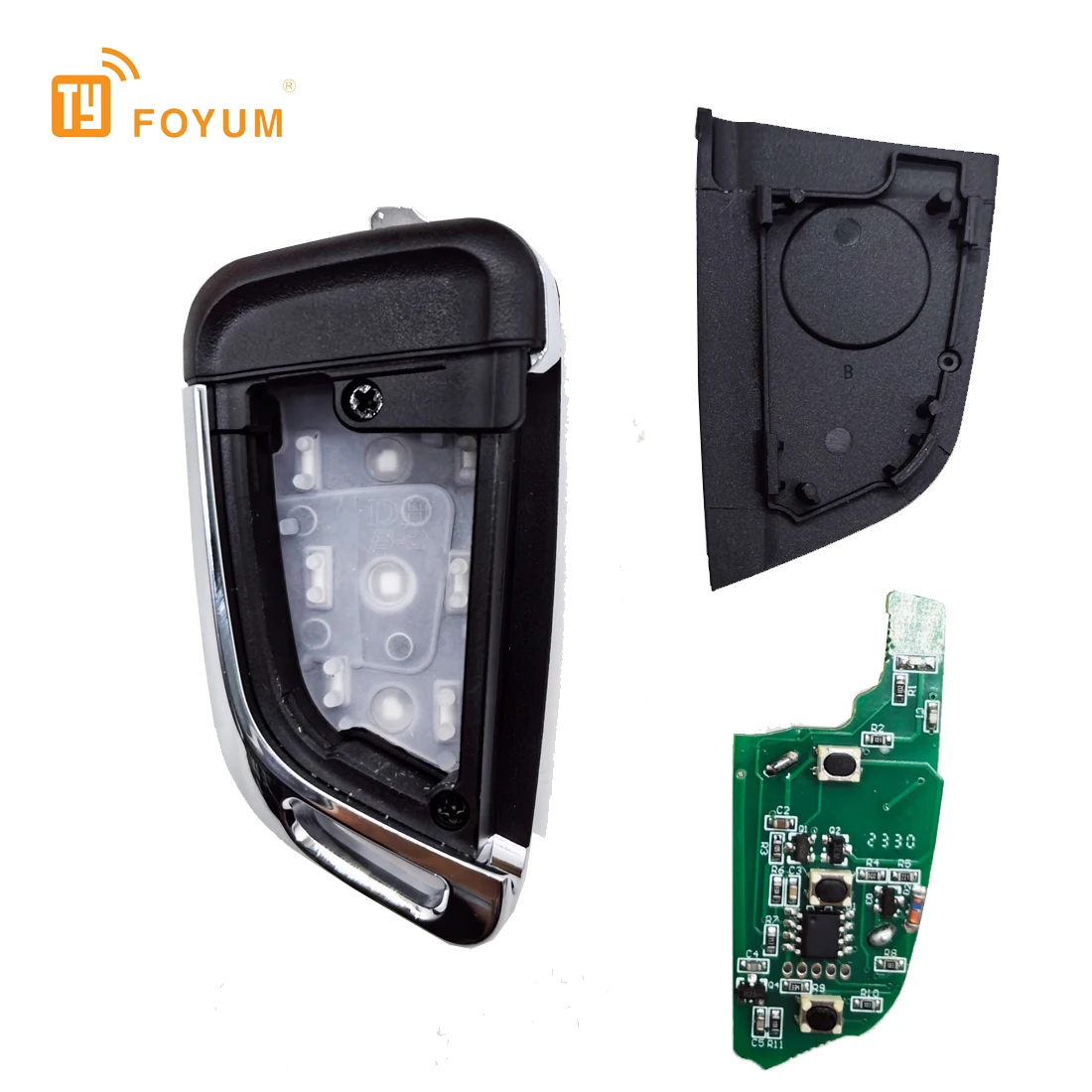
| Key fob shell | Non-electronic part vs part of a set | Duty rate is low, classification is straightforward | Sold with electronics it may be different |
| Battery-containing product | Separate treatment on some schedules | Lithium content can trigger additional requirements | Check the destination schedule |
How to Avoid Getting It Wrong
- Classify with a customs broker in your market, in writing, before the order. Not on a forum, and not from a supplier’s guess.
- Get the broker’s ruling in writing. A broker’s verbal opinion is not a binding classification.
- Check whether a certificate requirement attaches to the heading, because a low-duty heading with a certification requirement can cost more than a higher-duty heading without one.
- Re-check after any product change. A housing change or a functional change can move the classification.
A supplier telling you the HS code is convenient for them and occasionally convenient for you. The classification is your legal responsibility at import, not theirs.
What to Ask Your Supplier
Ask what they believe the classification to be, and why. The why is the useful part: a supplier who can explain the reasoning has classified before, and a supplier who gives you four digits and no explanation is guessing. Then verify it independently with your own broker.
Also ask whether the packaging, the presence of a battery, and the intended end-use change the classification. All three do on some schedules.
Request a Quotation — HS Code Classification
Send your target market, product line and annual quantity. We reply with a written EXW quotation, MOQ, lead time and a sample offer within one business day. MOQ 100 pcs per SKU.
Send Inquiry on WhatsAppEmail: Joanna@rfmando.com · MOQ 100 pcs per SKU · 1 free sample per SKU ($30 DHL, buyer pays) · Lead time 7-15 days · T/T 30/70 · EXW Xiamen
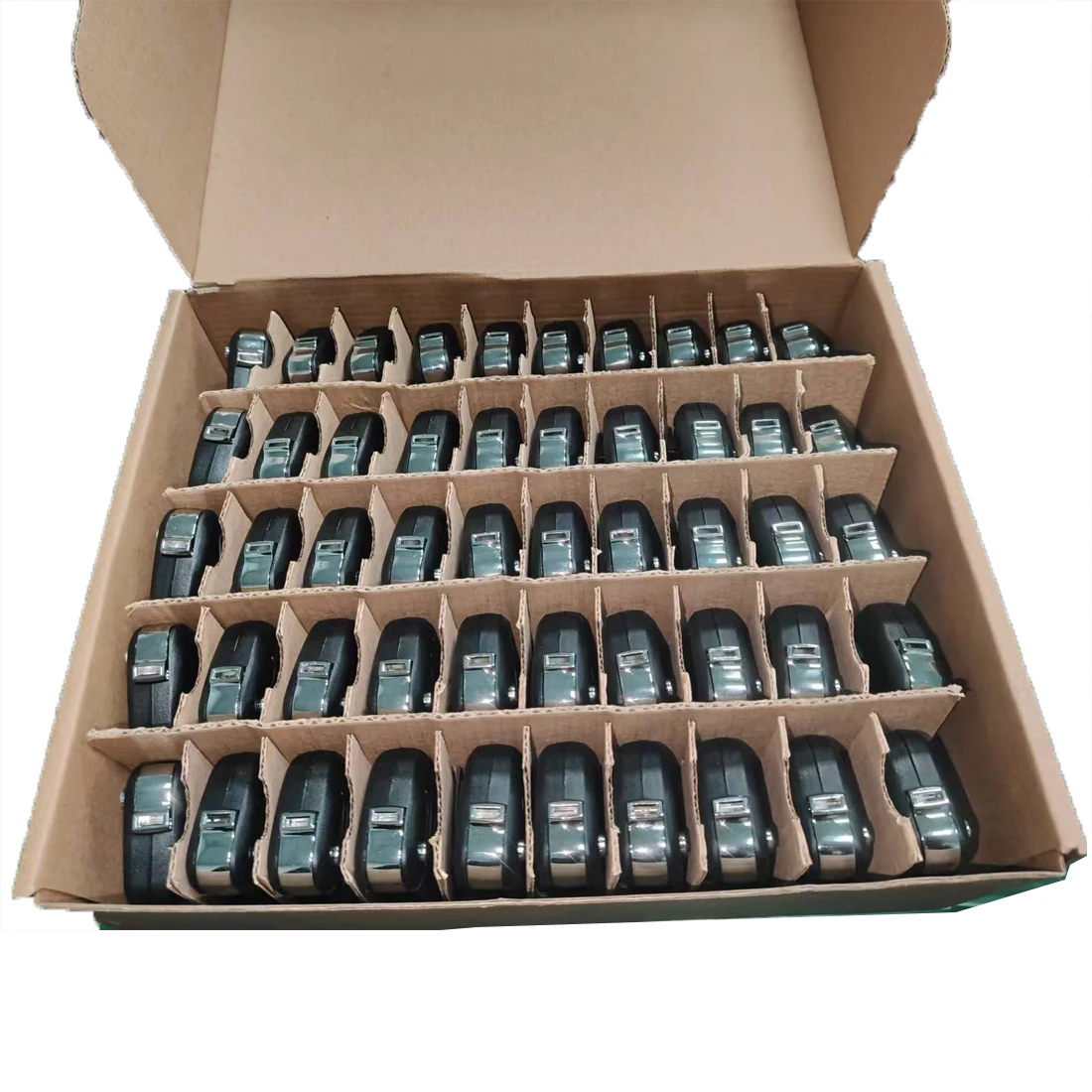
Catalogue references for the specification above: 50 pcs car remote control shell and replacement key fob housing set and 433MHz tubular motor controller for roller shutters and electric garage doors. All are MOQ 100 pcs per SKU, 7-15 day lead time, one free sample per SKU, and are supplied on our own PCBA and housing tooling with AQL 5% inspection available.
Where to Order
- RF Remote Controls — garage, gate and RTS compatible handsets
- Eaton DILM Contactors — frames, aux contacts and coils
- Locksmith Tools — duplicators, shells and blanks
- RF Manda — full product range and technical guides
| Term | Means | Who pays what | Note |
|---|---|---|---|
| EXW | Ex Works, seller’s premises | Everything is the buyer’s cost | Cheapest on paper, most work for the buyer |
| FOB | Free On Board, port of loading | Export clearance and loading on the seller; main freight on the buyer | Useful for consolidating suppliers |
| CIF | Cost, Insurance and Freight to named port | Freight and minimum insurance included; duty and VAT not included | Convenient, still not door-to-door |
| DDP | Delivered Duty Paid | Everything including import duty | Most expensive to quote, often cheapest landed |