
Why Payment Terms Are a Risk Decision, Not an Administrative One
The standard terms in this industry are 30% deposit and 70% before shipment. That arrangement protects the supplier, which is why it is standard. For the buyer it concentrates the risk in a specific window: the money has left your account and the goods are on the water.
Where the Risk Sits
| Window | Risk level | Where you are exposed | Control |
|---|---|---|---|
| Deposit (30%) | Low | The supplier has not yet produced | Recoverable by walking away |
| Production window | Medium | Your money is committed, goods not yet shipped | Covered by sample approval |
| Balance to shipment (70%) | Highest | Money paid, goods in transit, no inspection yet | Covered by pre-shipment inspection |
| In transit | Medium | Title passed, transit risk with the carrier | Insurance depends on the incoterm |
| On arrival | Varies | Inspection findings, duty, clearance | Documented at the point of arrival |
How to Reduce the Window
- Inspect before the balance payment, using a pre-shipment sample of the actual production batch. This is the single most effective control and the one most often skipped.
- Pay the balance against documents, — bill of lading, commercial invoice and packing list — rather than on a verbal confirmation that production is complete.
- Agree the title-transfer point in writing before the deposit, and make sure it appears on the invoice.
- Split the first order across two deliveries if the value is significant. Two smaller balance payments are easier to recover than one large one.
- Keep the correspondence. Specification, sample approval and the pre-shipment inspection report all form part of what you would rely on if a claim arose.
The risk is not the payment term. The risk is paying the balance without having looked at the batch that is about to ship.
Other Terms and When They Are Reasonable
Letters of credit at sight are more expensive in bank fees but transfer the document risk to the bank, and they are appropriate for a first order of significant value. Consignment and open-account terms are a relationship tool, not a first-order tool; they are reasonable once you have three or four clean shipments behind you.
Request a Quotation — Payment Terms
Send your target market, product line and annual quantity. We reply with a written EXW quotation, MOQ, lead time and a sample offer within one business day. MOQ 100 pcs per SKU.
Send Inquiry on WhatsAppEmail: Joanna@rfmando.com · MOQ 100 pcs per SKU · 1 free sample per SKU ($30 DHL, buyer pays) · Lead time 7-15 days · T/T 30/70 · EXW Xiamen
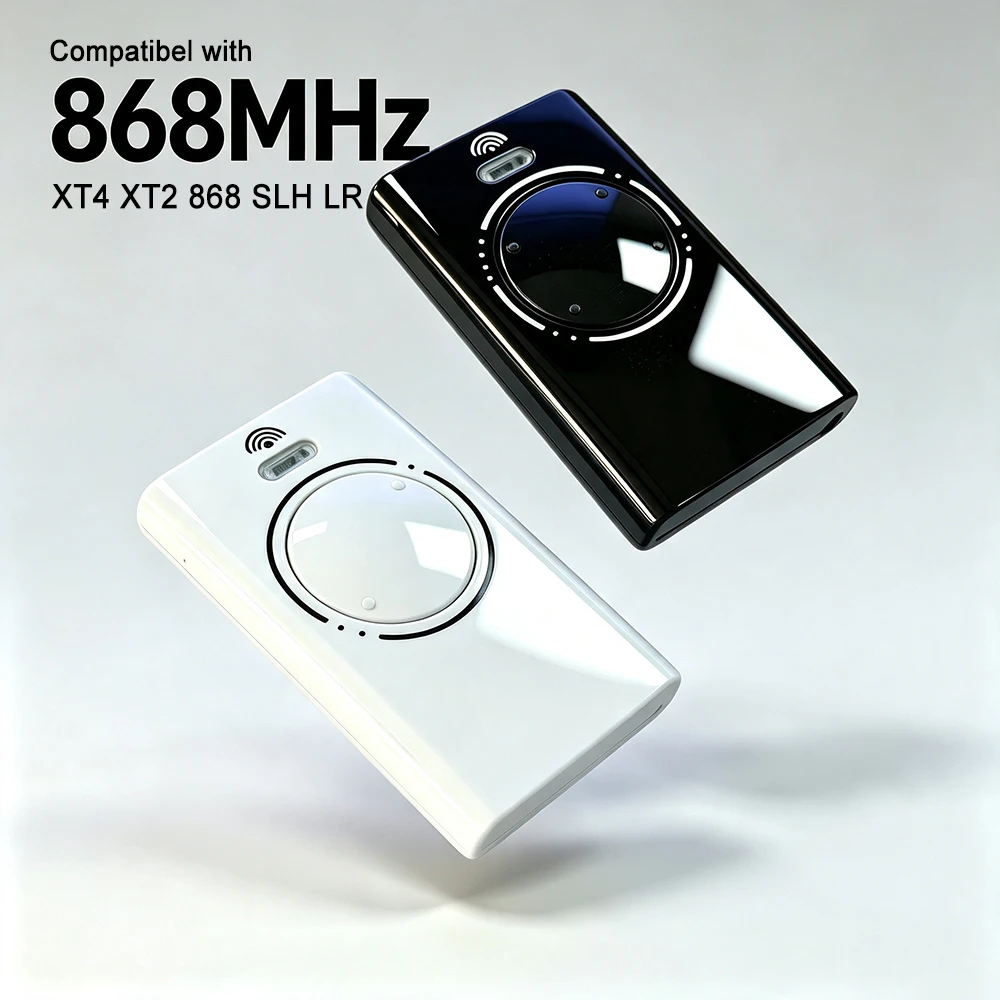
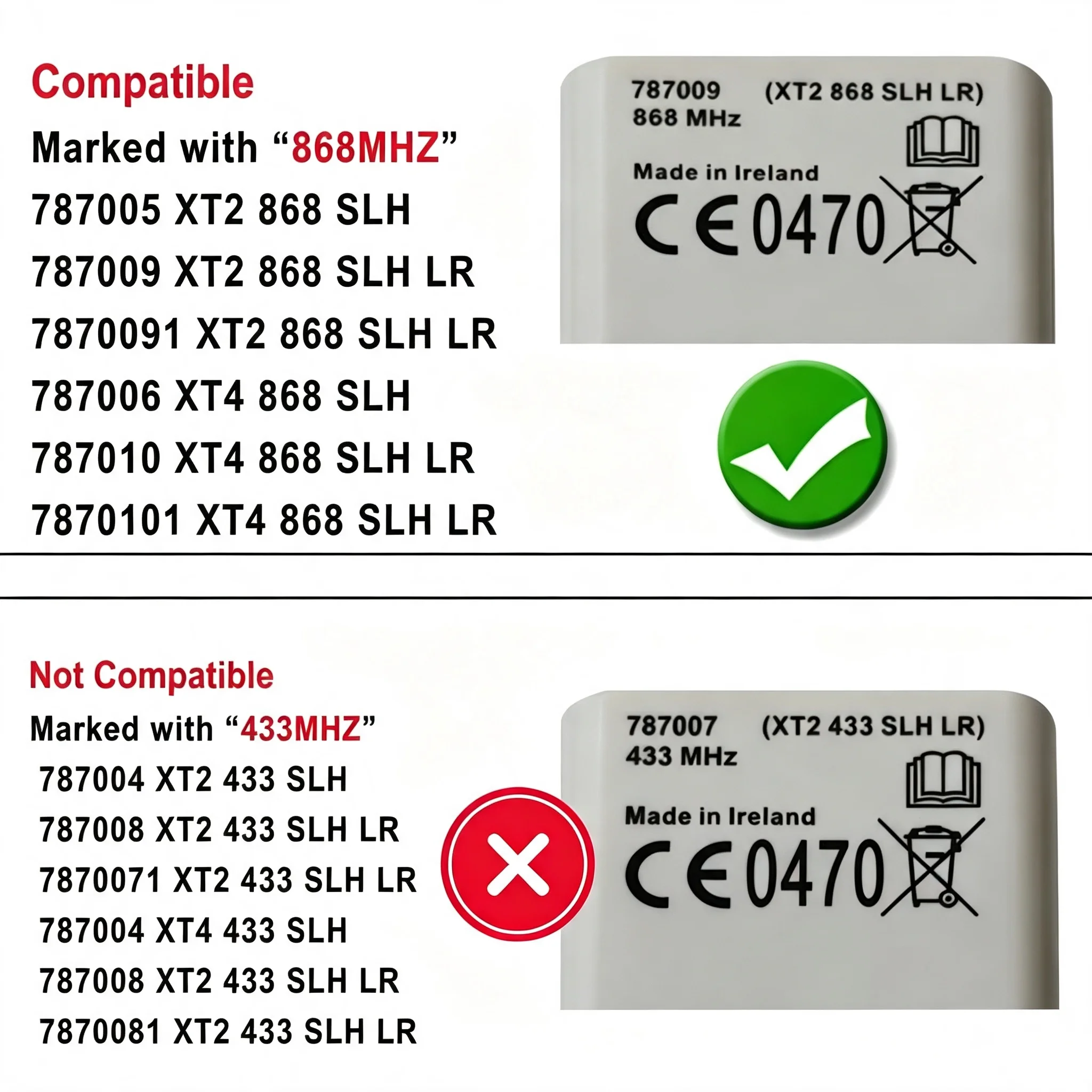
Catalogue references for the specification above: 868MHz rolling-code gate remote control, compatible with XT4 and XT2 SLH/LR transmitters and RF Mando compatible DILM32-XTED11-1 (RAC240) contactor, 18A 3P+1NO/1NC for shipment-value reference. All are MOQ 100 pcs per SKU, 7-15 day lead time, one free sample per SKU, and are supplied on our own PCBA and housing tooling with AQL 5% inspection available.
Where to Order
- RF Remote Controls — garage, gate and RTS compatible handsets
- Eaton DILM Contactors — frames, aux contacts and coils
- Locksmith Tools — duplicators, shells and blanks
- RF Manda — full product range and technical guides
| Term | Means | Who pays what | Note |
|---|---|---|---|
| EXW | Ex Works, seller’s premises | Everything is the buyer’s cost | Cheapest on paper, most work for the buyer |
| FOB | Free On Board, port of loading | Export clearance and loading on the seller; main freight on the buyer | Useful for consolidating suppliers |
| CIF | Cost, Insurance and Freight to named port | Freight and minimum insurance included; duty and VAT not included | Convenient, still not door-to-door |
| DDP | Delivered Duty Paid | Everything including import duty | Most expensive to quote, often cheapest landed |