
The Cheapest Place to Catch a Defect
Quality is not a stage at the end of the line. It is a set of decisions made at the point where a component enters the factory, because a component that is out of specification at goods-in becomes a field failure in someone else’s customer’s installation. Catching it there costs a phone call. Catching it in the field costs a return, a technician, a shipping address and a customer.
What We Check at Goods-In
| Check | What is verified | Why it matters |
|---|---|---|
| Carton labels | SKU, quantity and batch reference on the outside of every carton | A mixed carton without outer labels gets unpacked entirely |
| Packing list | Broken out by SKU and quantity | The document your receiving team works from |
| Date codes | Verified present and legible on the product and carton | Traceability at the point it is needed |
| Sampling inspection | Third-party at AQL 5% on a first order | Independent verification before the container closes |
| Physical count | Carton count and quantity reconciled | Catches a short shipment before the bill of lading |
| Loading photographs | Pallets photographed with labels visible | Evidence of what actually went into the container |
| Document set | Commercial invoice, packing list, test reports | Filed against the order number on your side and ours |
The Three Specifications That Decide the Product
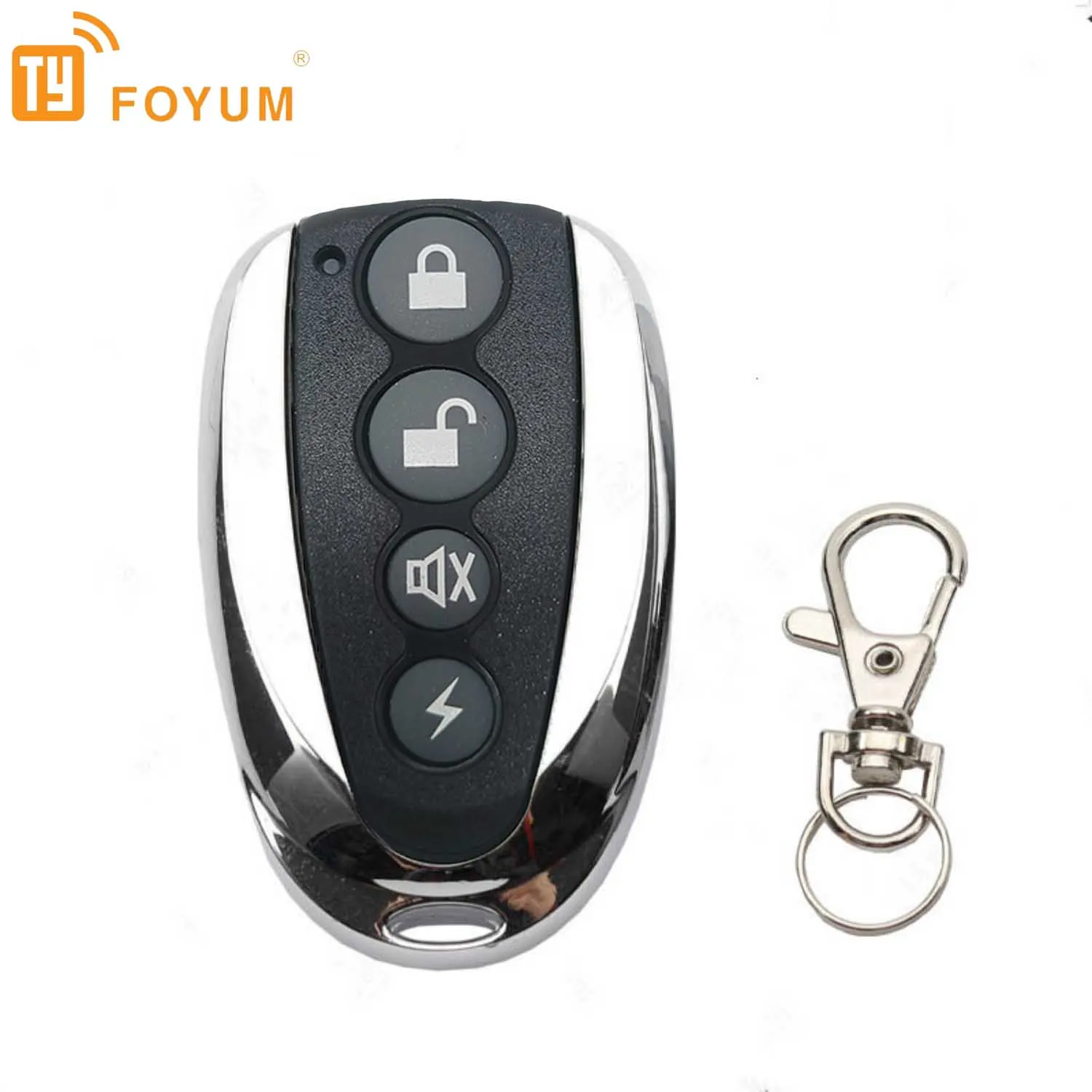
For an RF remote, three incoming characteristics determine whether the finished product works: the crystal frequency, the transmit device, and the code-generation IC. All three are specified on the bill of materials, all three are lot-traceable, and all three are the ones that cause intermittent behaviour when substituted.
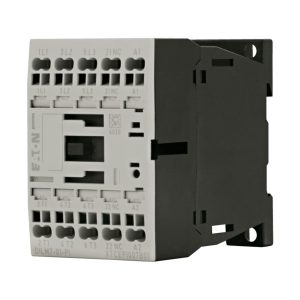
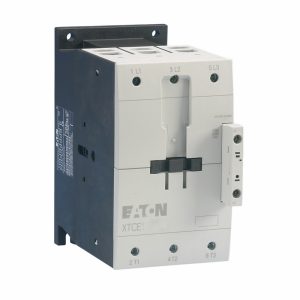
For a contactor, the equivalents are the coil wire gauge and insulation class, the contact material and plating thickness, and the auxiliary contact mechanism. A contactor with a thinner plating still passes a current rating test. It simply wears out faster on a high-cycle load, and that failure appears eighteen months later, in a motor starter, in a factory that is not your customer any more.
A substitute component that passes goods-in can still be the reason a product fails in the field. The specification has to be checked, not just the function.
Why Substitution Requires a Written Decision
Component shortages happen, and a good process does not simply swap in whatever is available. It records the substitution, compares the datasheet specification against the original, assesses whether the difference is visible to the end application, and gets that assessment in writing. Sometimes the substitution is perfectly fine. Sometimes it is fine for one market and not another, because a band change or a frequency tolerance change can put the product outside the scope of a test report.
The difference between a controlled substitution and an uncontrolled one is entirely in the documentation.
Request a Quotation — Incoming Material Inspection
Send the product line and target market. We reply with a written EXW quotation, MOQ, lead time, a sample offer and the QC documentation that ships with the batch. MOQ 100 pcs per SKU.
Send Inquiry on WhatsAppEmail: Joanna@rfmando.com · MOQ 100 pcs per SKU · 1 free sample per SKU ($30 DHL, buyer pays) · Lead time 7-15 days · T/T 30/70 · EXW Xiamen
Catalogue references for the specification above: DILM7-01 110VDC contactor and TY200 4-band multi-frequency cloner. Both are MOQ 100 pcs per SKU, with a 7-15 day lead time and one free sample per SKU. They are supplied on our own PCBA and housing tooling.
Terms
MOQ 100 pcs per SKU. One free sample per SKU ($30 DHL, buyer pays). Lead time 7-15 days. Payment T/T 30/70. Prices EXW Xiamen. 100% functional test on every unit; a third-party QC report at AQL 5% is available on request. CE-RED, RoHS and FCC Part 15 documentation; RCM available.