
Why Functional Testing Is Not Enough
A remote that transmits correctly on the bench at 22°C tells you almost nothing about how it behaves in a car parked in direct sun at 60°C, or after two years of humidity, or after being dropped onto a garage floor. Reliability testing is what sits between “it works” and “it works for the customer in the third year”.
The Test Regimes
| Regime | What it simulates | What it catches |
|---|---|---|
| Temperature cycling | Operating range, storage range, and the transition between them | Reference oscillator drift; a real cause of intermittent range complaints |
| Humidity / damp heat | Extended exposure at elevated humidity | Corrosion and insulation degradation |
| Drop testing | Repeated drops onto a hard surface at the angles a customer will drop it | Button pad retention and solder joint integrity |
| Vibration | Simulates vehicle and door-mounted environments | Loose components and marginal solder joints |
| EMC | Radiated and conducted emissions, immunity | Mandatory for radio products in most markets |
| Switching life | Repeated operation to the rated cycle count | The failure mode that appears in year three, not week one |
| Battery life | Transmit current drawn, and behaviour at end of life | The most common cause of a “dead” remote that is not dead |
Why Temperature Is the One That Bites
The reference oscillator sets the carrier frequency of an RF product, and an oscillator’s stability falls with temperature. A remote that is marginal at 22°C can drift out of tolerance at 55°C — and the symptom is a handset that works in the morning and fails in the afternoon, or works indoors and not from the car. It is one of the most common field complaints in this category, and it is routinely misdiagnosed as a protocol or a battery problem.
This is why the reference oscillator specification is worth more on a datasheet than a headline transmit-power figure, and why we test across the temperature range rather than at a single point.
What a Buyer Should Ask to See
- The test report for the variant being bought, with the model number matching the purchase order.
- Which regimes were run — temperature cycling, humidity, drop, vibration, and EMC for a radio product.
- The number of units in the sample and the acceptance criteria applied.
- Whether the report covers the band being purchased, because a report for a different band does not transfer.
Ask for the report that ships with the batch rather than a summary document, and check the model number on it against your order. That check is thirty seconds and it prevents the majority of customs problems in this category.
Request a Quotation — Reliability Testing
Send the product line and target market. We reply with a written EXW quotation, MOQ, lead time, a sample offer and the QC documentation that ships with the batch. MOQ 100 pcs per SKU.
Send Inquiry on WhatsAppEmail: Joanna@rfmando.com · MOQ 100 pcs per SKU · 1 free sample per SKU ($30 DHL, buyer pays) · Lead time 7-15 days · T/T 30/70 · EXW Xiamen
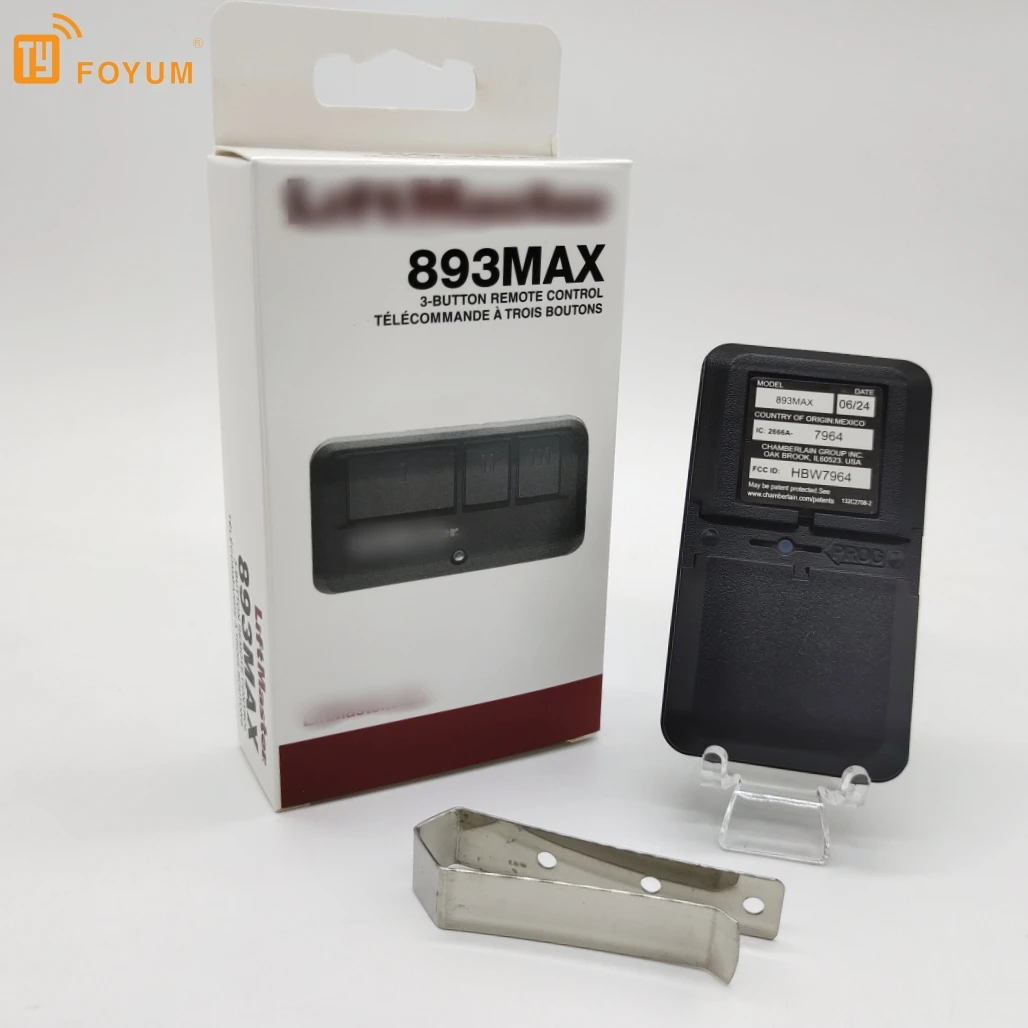
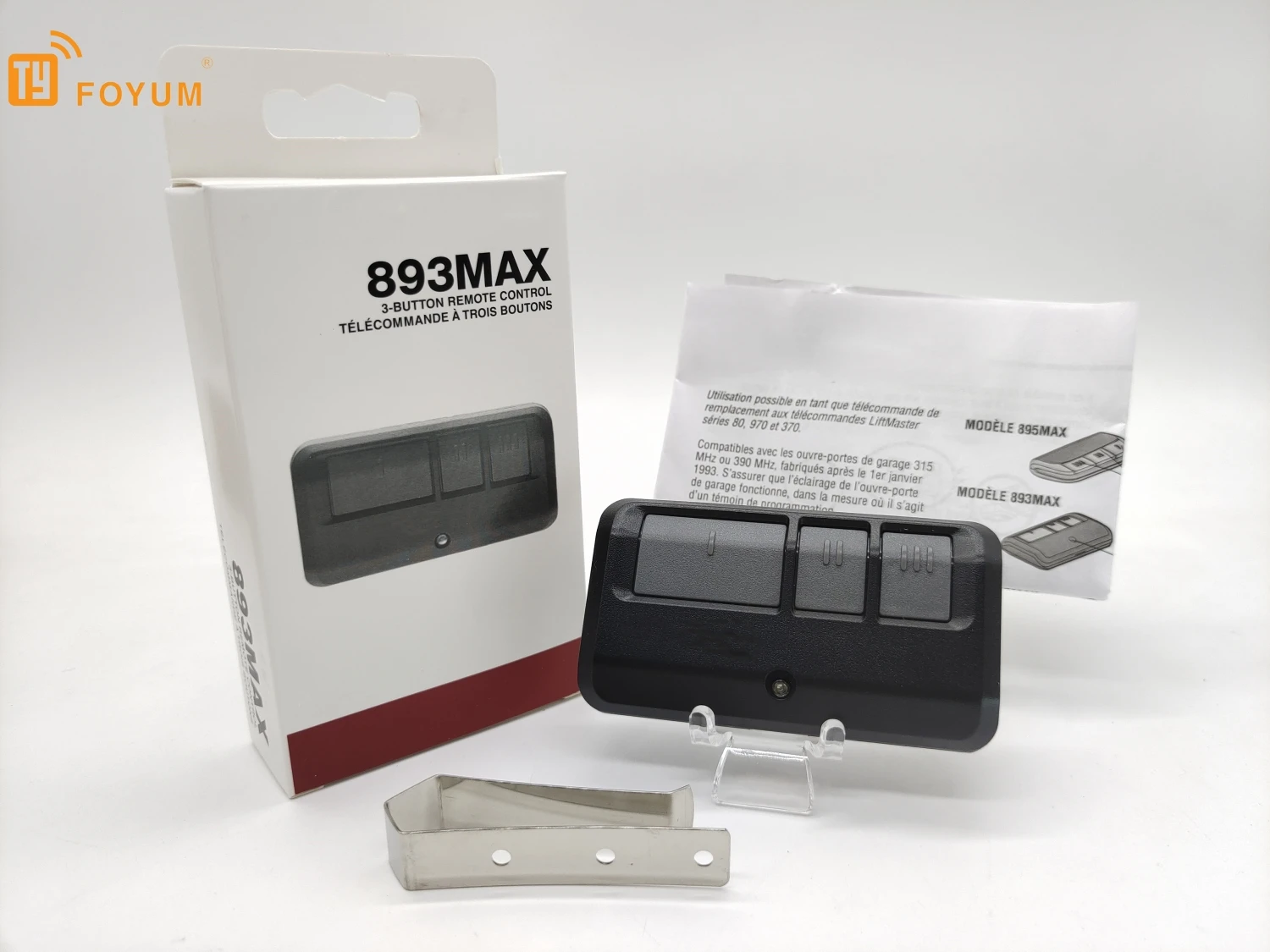
Catalogue references for the specification above: TY200 4-band multi-frequency cloner and 893MAX compatible garage door remote. Both are MOQ 100 pcs per SKU, with a 7-15 day lead time and one free sample per SKU. They are supplied on our own PCBA and housing tooling.
Terms
MOQ 100 pcs per SKU. One free sample per SKU ($30 DHL, buyer pays). Lead time 7-15 days. Payment T/T 30/70. Prices EXW Xiamen. 100% functional test on every unit; a third-party QC report at AQL 5% is available on request. CE-RED, RoHS and FCC Part 15 documentation; RCM available.