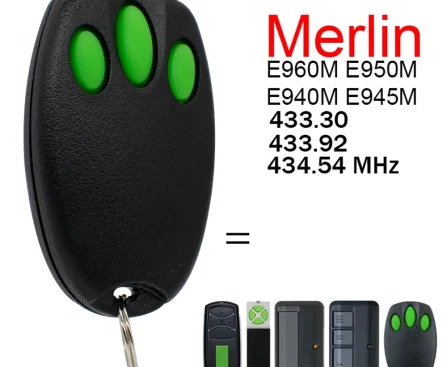
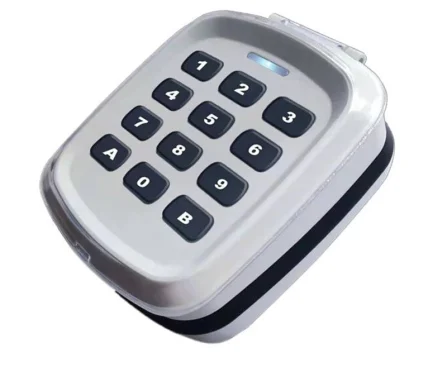
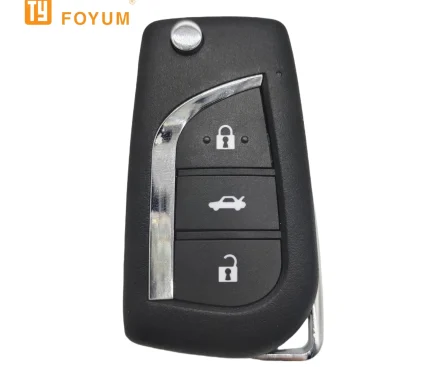
Why the RTS Handset Is the Volume Repair Part An RTS installation is commissioned once and then serviced for years. The motor and the receiver stay; the handset gets lost, dropped, or handed over without a spare. For an installer, that means the replacement handset is a repeat-order item rather than a project item, and […]
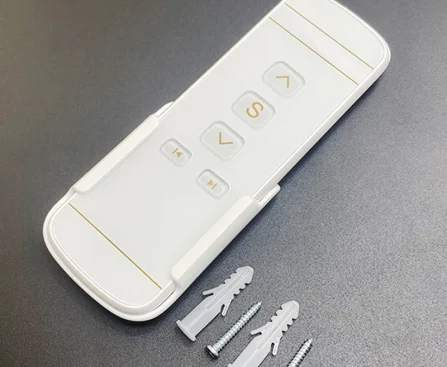
Two Distinct OEM Questions OEM supply for this category splits into two unrelated problems. One is private label: your brand on our housing and our electronics underneath. The other is protocol adaptation: making our electronics pair with receiver families that were not part of the original design brief. The first is a tooling and artwork […]
The Disclosure Question The garage-door channel includes products whose honest description is “makes a copy of an existing remote”. That is a legitimate locksmith tool with legitimate uses, and it is also the kind of product that creates legal and reputational exposure for a distributor who does not state plainly what it does. The safest […]
Why the Big Three Names Drive Aftermarket Demand The garage-door aftermarket runs on three installed bases: European BiSecur and similar systems, North American rolling-code systems, and the general fixed-code legacy market. Each has its own band, its own code system and its own certification requirement. A distributor buying into this category is effectively choosing which […]
When Private Label Is Worth the MOQ A hardware store chain or an installer supply network sells the same handful of remote models at every branch. At that volume, a private-label programme stops being a marketing expense and starts being a margin decision: your brand on the shelf, our electronics underneath, and no trade-distributor margin […]
The First Five Checks Most “my remote stopped working” calls are not remote failures. In order, an installer checks: battery voltage under load rather than at rest, button pad contact, antenna connection at the receiver, interference from a newly installed LED lamp or dimmer, and range under load with the door partially open. Only after […]
Why “Works Ten Times Then Stops” Is the Expected Symptom A rolling-code receiver remembers a small window of recently accepted codes and rejects anything outside it. When a handset has been sitting unused for months, its transmitter and receiver have drifted out of that window, and the next press is treated as a replay. From […]
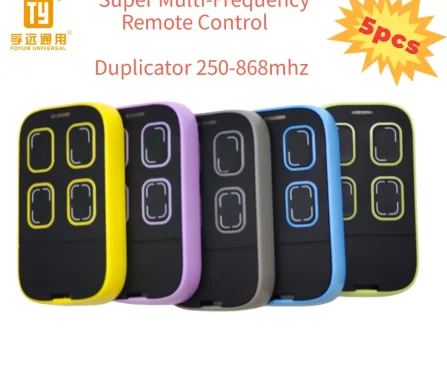
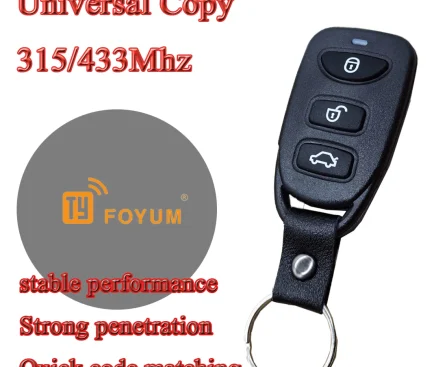
Two Different Products Called “Universal” The word universal covers two products that do completely different jobs. A cloner captures an existing remote’s signal and replays it. A self-learning handset is programmed by the receiver, the way a rolling-code system works. Buyers who order one expecting the other generate the returns, so the distinction has to […]
The One Question That Decides Everything Before any remote is ordered, the band has to match the market. This sounds obvious and it is still the most common reason a batch of remotes arrives and cannot be used. The band is a legal allocation, not a brand preference: 315MHz is the North American allocation, 433MHz […]
Where the 4-Band / 8-Band Split Comes From The four-band format covers the ranges that dominate garage and gate work: 280–315MHz, 330–350MHz, 365–390MHz and 433–868MHz. The eight-band format adds lower and higher slices that matter in specific markets rather than across all of them. A distributor choosing between them is choosing how much of their […]