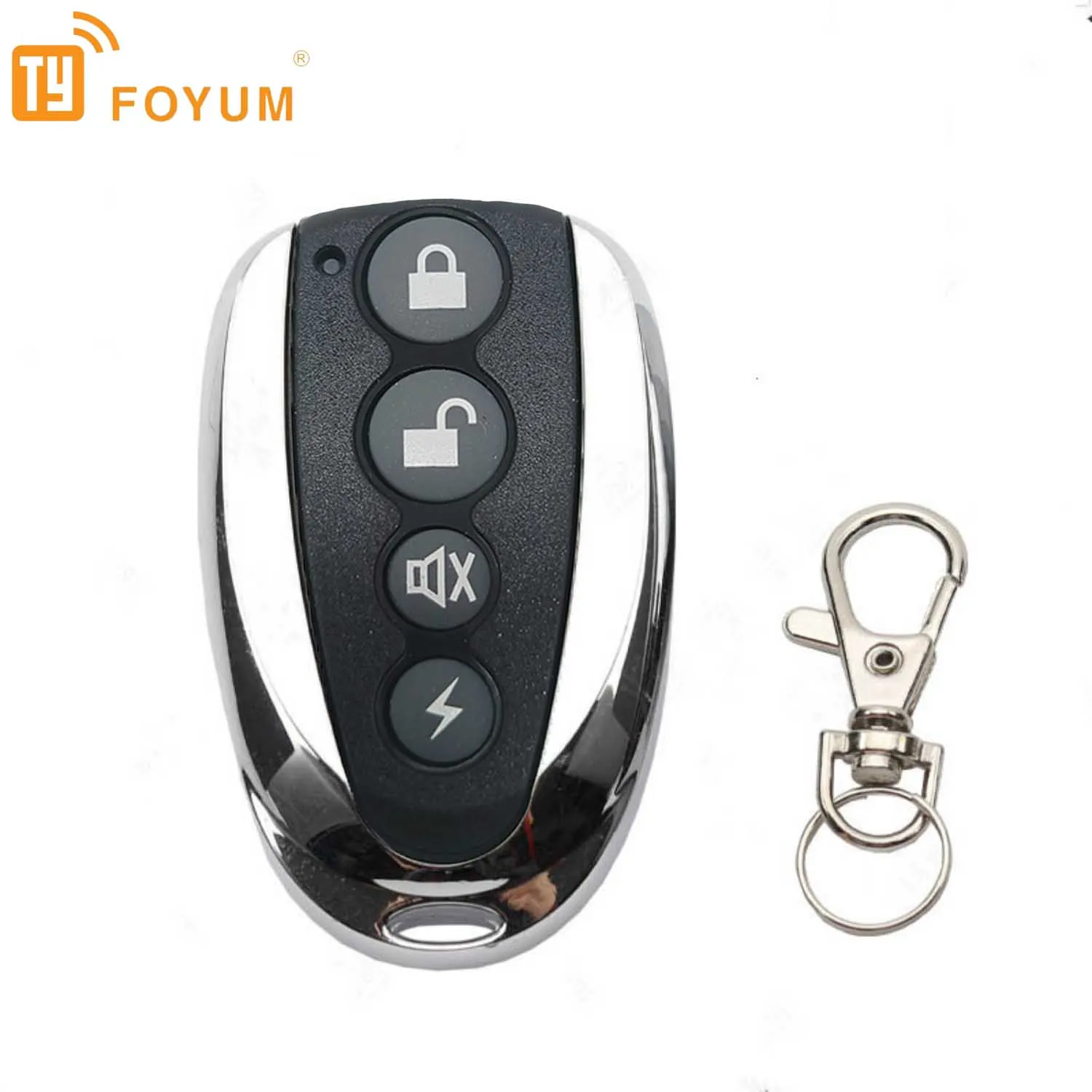

The Mould Is the Longest-Lived Part of the Product
A remote’s electronic design can be revised in months. The housing tooling outlives every product it was made for — five years, ten, sometimes longer. It is also the single largest one-off cost in bringing a new remote to market, and the reason a private-label programme is a two-order conversation rather than a one-order one.
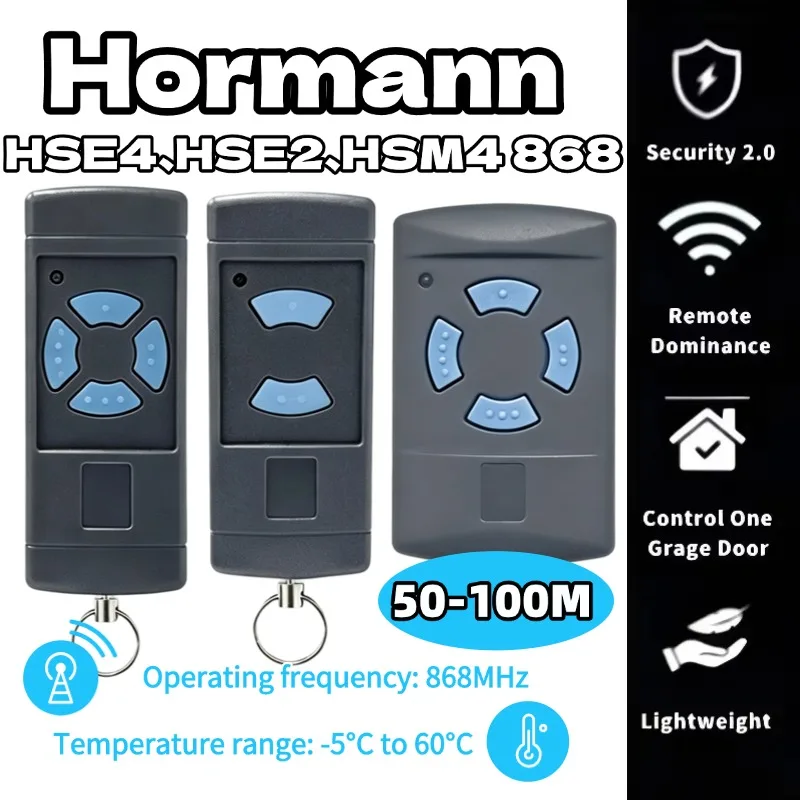
How a Tool Is Actually Made
| Step | What happens | Note |
|---|---|---|
| 1. Design | 3D model, drafted and reviewed against the mechanical reference | The part is defined before any steel is cut |
| 2. Steel | Tool steel selected and prepared | Material for the tool, not for the part |
| 3. Rough machining | Cavities machined, slide and core fitted | The bulk of the metal removal |
| 4. Cooling channels | Drilled to a calculated layout | Determines cycle time and warpage |
| 5. Finish and texture | Cavity polished to the required surface | Directly affects the surface of the part |
| 6. Trial and adjustment | Test shots, measured, corrected | Where the tool becomes dimensionally right |
| 7. Validation | Dimensional report and capability study | Documented, repeatable output |
| 8. Production release | Tool into the press, first production run | From here the tool outlives the product |
Why the First Tool Costs More Than the Second
The first tool carries the full design and machining cost: the steel is cut, the cavities are machined, the cooling channels are drilled, and the tool is trial-adjusted until the part is dimensionally correct. Every subsequent tool for a related product is a variation on an existing cavity, and the cost falls by a large factor.
This is why the economics of a range matter. One new housing plus three related variants from the same tool family is a modest investment. Five unrelated housings is five times the investment, and five times the lead time.
| Route | Up-front cost | Lead time | Right when |
|---|---|---|---|
| Existing tooling | None | 7 days | Your market already covered |
| Tool variation | Moderate | +10 to 15 days | Same family, new button count |
| New tool | High | +10 to 15 days | A genuinely new form factor |
What Buyers Should Ask About a Tool
- Do you own the tool, or is it the upstream factory’s? This decides whether you can re-run the model in three years.
- Can the same tool produce variants — a different button count or a keyfob format — without a new tool?
- What is the cavity count and the shot weight? They determine the cycle time and the price at volume.
- What material is specified, and why. Silicone, ABS and PC/ABS behave very differently in the hand and in the drop test.
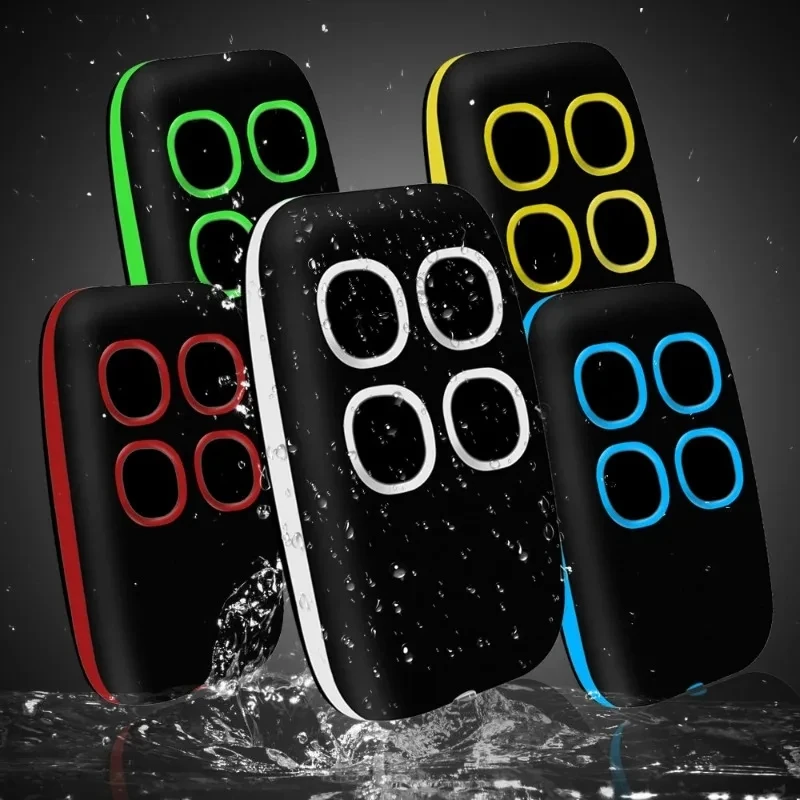
Request a Quotation — Housing Tooling
Send the band, the code system and the quantity you need. We reply with the exact part number, EXW price, MOQ and lead time. MOQ 100 pcs per SKU.
Send Inquiry on WhatsAppEmail: Joanna@rfmando.com · MOQ 100 pcs per SKU · 1 free sample per SKU ($30 DHL, buyer pays) · Lead time 7-15 days · T/T 30/70 · EXW Xiamen
Catalogue references for the specification above: TY200 4-band 280-868 MHz multi-frequency cloner and 280-868MHz multi-frequency garage remote duplicator. All are MOQ 100 pcs per SKU, with a 7-15 day lead time and one free sample per SKU ($30 DHL, buyer pays). They are supplied on our own PCBA and housing tooling.
Where to Order
Terms
MOQ 100 pcs per SKU. One free sample per SKU ($30 DHL, buyer pays). Lead time 7-15 days. Payment T/T 30/70. Prices EXW Xiamen. 100% functional test on every unit; a third-party QC report at AQL 5% is available on request. CE-RED, RoHS and FCC Part 15 documentation; RCM available.