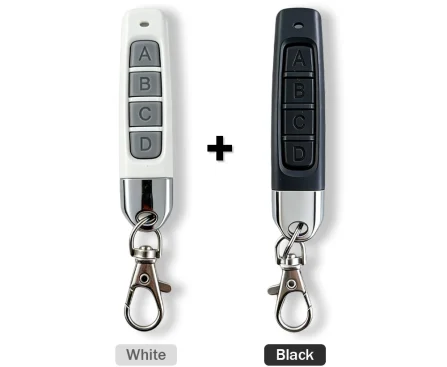
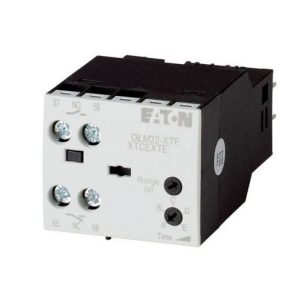
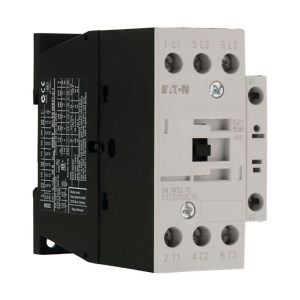
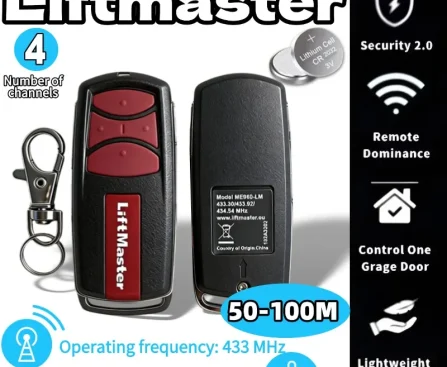
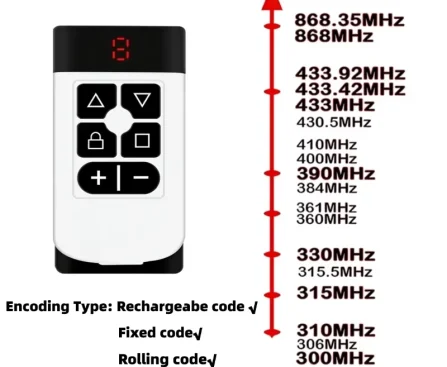
Why the Code Is Not Obvious A garage-door remote, a contactor, and a tubular motor can all plausibly be classified as “electrical equipment”, and all three can be classified under different headings depending on the tariff schedule of the destination country. The classification sets the duty rate, and in some cases determines whether a certificate […]
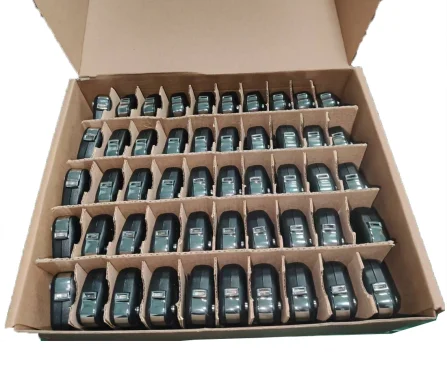
Why This Page Exists CE marking is the single most misunderstood cost item in importing electrical products into the European Union. Buyers either overestimate it and avoid the market, or underestimate it and discover at customs that the documentation does not cover their variant. Both are avoidable. What CE-RED Actually Covers InstrumentCoversApplies toNote Low voltage […]
The Specifications Nobody Quotes Are the Ones That Fail When two quotes arrive for the same product at different prices, the visible specifications — rating, voltage, dimensions — are usually identical. The difference that shows up eighteen months later is in the specifications nobody put on the quotation: capacitor grade, contact plating, transistor grade, housing […]
The Question Is Reorder Volume, Not Brand Ambition Private label is usually discussed as a branding decision. On a component or a remote, it is a logistics decision: it changes whether your customer reorders from you by name or from the manufacturer, and that changes the reorder conversation. The volume at which it pays is […]
The Number on the Invoice Is Not the Number You Pay Most buyers compare supplier quotes as though EXW and DDP were the same number in different currencies. They are not, and the difference between them routinely exceeds the margin on the product itself. On a European order of RF remotes, the freight and duty […]
What AQL Actually Is AQL means acceptable quality limit. It is the quality level at which a lot is judged acceptable under sampling inspection. A common commercial standard for electrical components is AQL 5%, which does not mean five defects per hundred units are expected. It means a lot is rejected when the sample inspection […]
The Question Behind the Question Most buyers evaluating a Chinese supplier ask about price and lead time first, because those are the numbers they can compare. Those two numbers are also the least predictive of whether the shipment will work. A supplier who quotes a month earlier and fifteen percent cheaper than the market is […]
Two Businesses on One Vehicle A locksmith’s van carries equipment for two quite different businesses. One is access — locks, cylinders, door hardware. The other is remote control — garage doors, gates, and increasingly car keys. The remote side is where the consumable margin sits, because the remote is replaced and the cylinder is not. […]
What a Duplicator Actually Does A multi-band duplicator captures the signal from an existing remote and replays it. That single function determines everything about how it is sold: it works on fixed-code systems, and it does not work on rolling-code systems, because a rolling-code receiver rejects a replayed signal by design. So the commercial question […]
Why the Shell Is the Fast-Moving Part of the Bench A locksmith’s fastest repeat item is rarely a programmer or a decoder. It is the shell — the plastic housing that sits on an existing remote board when the original casing is cracked, scuffed or lost. It costs little, it moves constantly, and a bench […]