
Most Remote Returns Are Not Defects
A dealer’s remote return rate looks like a quality metric and behaves like a knowledge metric. In most categories the majority of returns fall into four buckets: the wrong band for the market, the wrong code system for the receiver, a programming mistake, or a customer who has a battery or an obstruction problem and believes the remote is faulty.
The Four Return Categories
| Category | Share | What it actually is | Control |
|---|---|---|---|
| Wrong band | Common | The door is in a different allocation from the handset | Specify the band on every invoice; a purchasing error, not a quality fault |
| Wrong code system | Common | The receiver expects a different protocol | Sample the actual installed equipment before the order |
| Programming mistake | Common | The handset was never paired, or the memory was full | Written pairing procedure; check receiver memory limit |
| Battery or obstruction | Occasional | Cell fails under load, or an obstacle is interrupting the signal | Test voltage while the button is held |
| Genuine defect | Minority | Component or assembly fault | Batch date codes and a date-code photo at goods-in |
Handling Each One
- Wrong band — this is a purchasing error, and it happens at the dealer’s end. The only fix is a specification that states the band on the invoice. A dealer who knows their market band will stop buying the wrong one.
- Wrong code system — the customer’s receiver is a different protocol from what they were sold. This needs a compatibility check before purchase, which is why the sample offer matters more than the catalogue.
- Programming mistake — the handset works and was never paired. This is a training and documentation issue, and it is the cheapest category to eliminate.
- Genuine defect — a minority. Batch traceability and a date code on the housing turn this from an argument into a record.
If a dealer’s return rate is high, the first question is not “is the quality bad” but “is the specification being written down”.
What to Require From a Supplier
- Batch date codes on the product, not just on the carton.
- A stated failure rate rather than a guarantee of zero.
- Sample availability so a customer dispute can be settled with a tested unit rather than an argument.
- Written warranty terms covering the period the dealer actually carries stock.
Request a Quotation — Remote Returns and Warranty
Send the brands and models you meet most in your market. We reply with the band, the code system and the exact part numbers before you order. MOQ 100 pcs per SKU.
Send Inquiry on WhatsAppEmail: Joanna@rfmando.com · MOQ 100 pcs per SKU · 1 free sample per SKU ($30 DHL, buyer pays) · Lead time 7-15 days · T/T 30/70 · EXW Xiamen
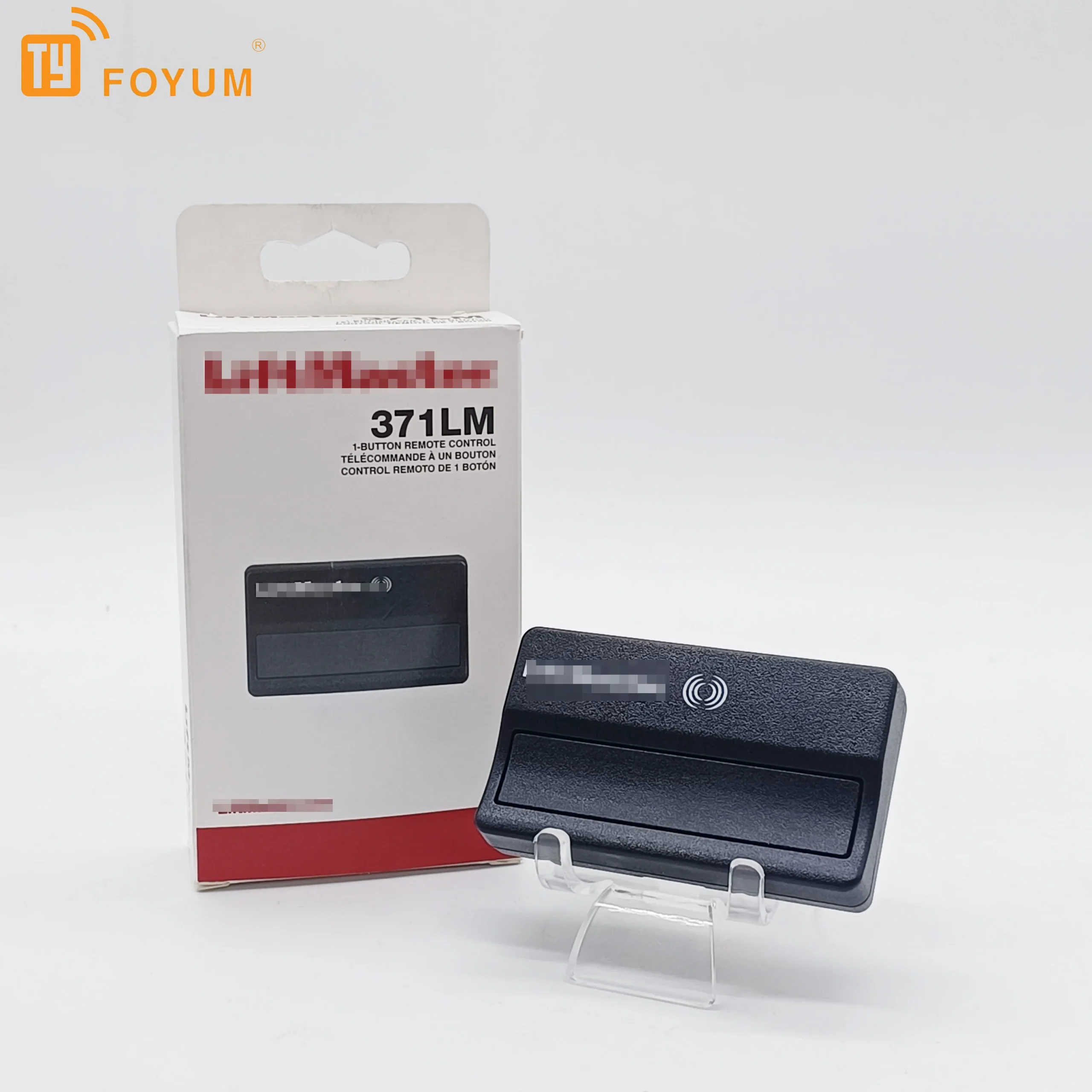
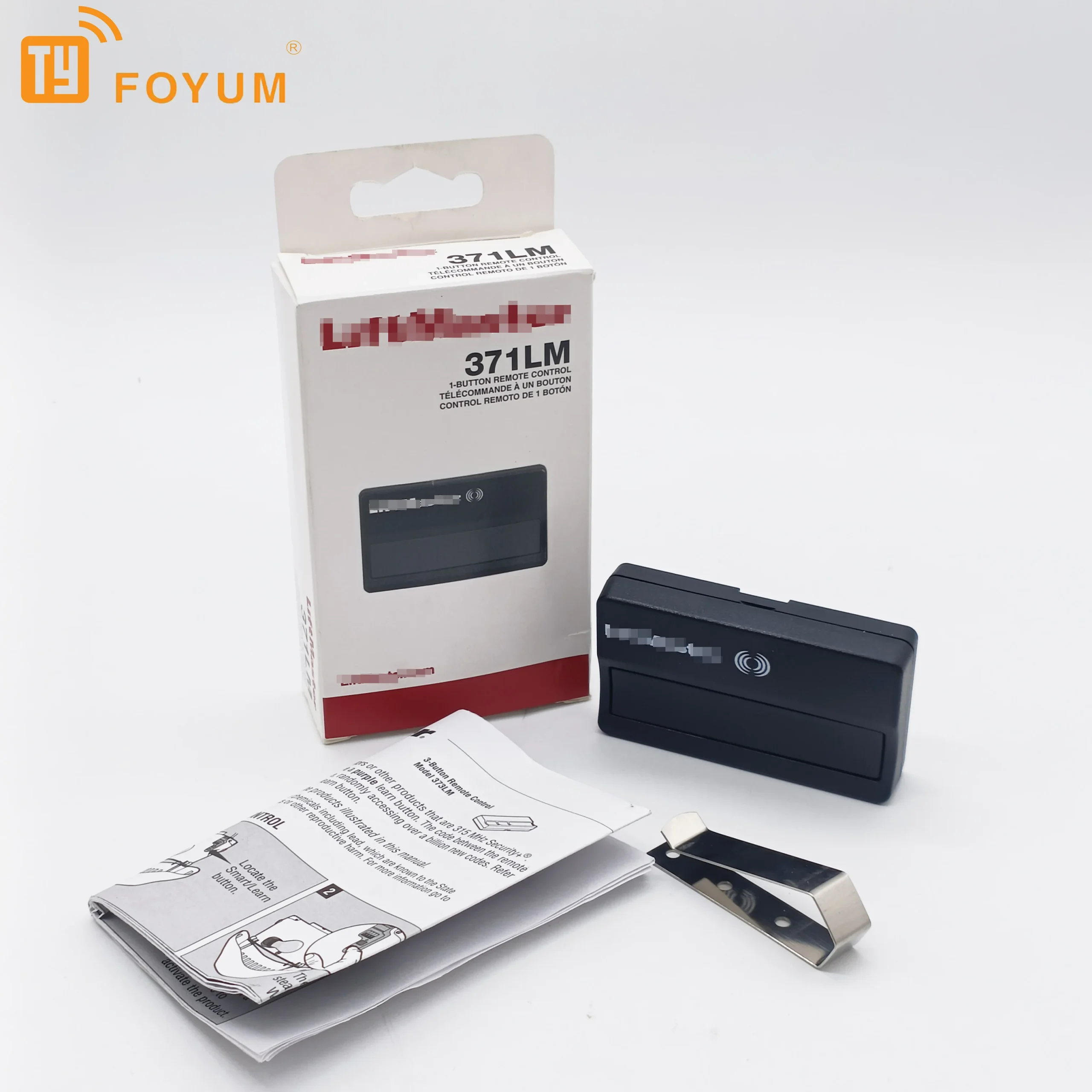
Catalogue references for the specification above: ME960-LM 433.92MHz keychain transmitter and 371LM universal garage door remote. Both are MOQ 100 pcs per SKU, with a 7-15 day lead time and one free sample per SKU. They are supplied on our own PCBA and housing tooling.
Where to Order
- Garage Door Remotes — 315MHz / 433MHz / 868MHz by market
- RF Remote Controls — multi-band cloners and keyfob remotes
- Locksmith Tools — duplicators, shells and blanks
Terms
MOQ 100 pcs per SKU. One free sample per SKU ($30 DHL, buyer pays). Lead time 7-15 days. Payment T/T 30/70. Prices EXW Xiamen. 100% functional test on every unit; a third-party QC report at AQL 5% is available on request. CE-RED, RoHS and FCC Part 15 documentation; RCM available.