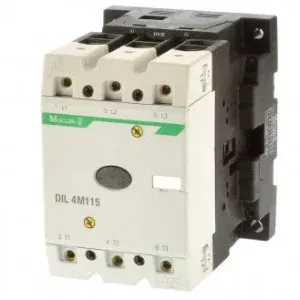
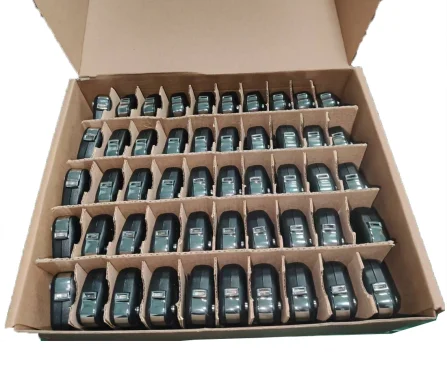
When Private Label Pays on a Component A contactor is not a branded product at the panel builder’s bench. Nobody asks whose contactor is in the panel. What a distributor does brand — the carton, the label, the reference — matters only where the buying decision is made, and for most distributors that is the […]
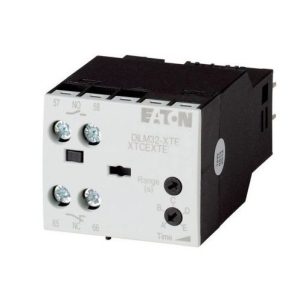
Why QC Documentation Decides the Supplier A contactor is a component that fails inside a control panel, usually during commissioning and occasionally during operation. The failure is expensive not because the part is dear but because the panel has to be opened, diagnosed and possibly rebuilt. That is why the documentation accompanying a batch matters […]
The Problem With One-SKU Orders A locksmith restock is never one reference. It is a spread of shell references for the vehicle families in the area, a few blanks, and a duplicator if one has failed. Ordering each reference separately means multiple invoices, multiple shipments, and multiple freight charges for parts that together weigh less […]
Why This Page Exists A locksmith buyer comparing suppliers online will encounter listings that blur three different categories into one phrase. That blurring is a procurement risk: the categories are regulated differently, and importing or reselling the wrong one creates a compliance problem in most jurisdictions. This page states plainly what we do and do […]
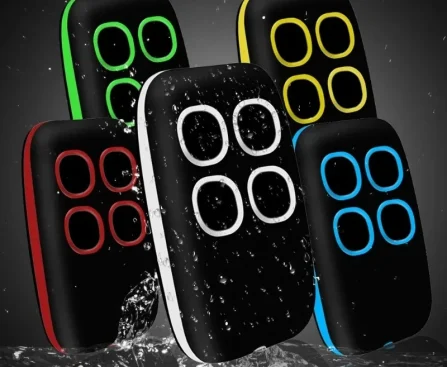
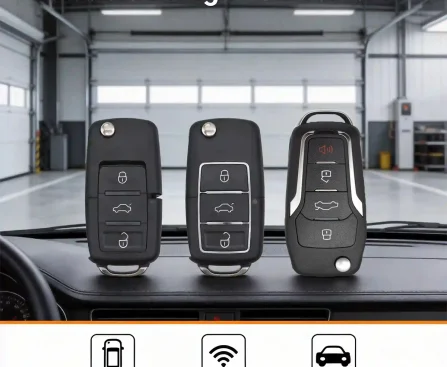
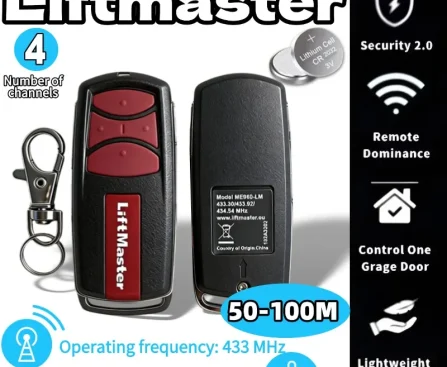
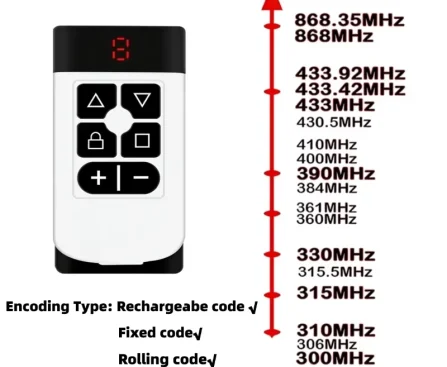
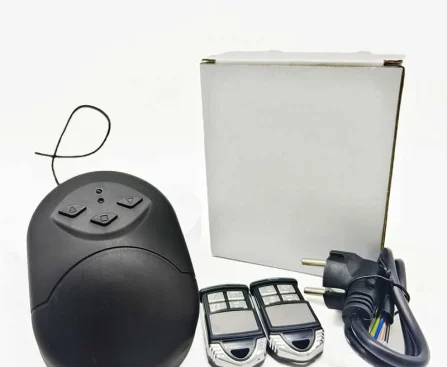
Two Businesses on One Vehicle A locksmith’s van carries equipment for two quite different businesses. One is access — locks, cylinders, door hardware. The other is remote control — garage doors, gates, and increasingly car keys. The remote side is where the consumable margin sits, because the remote is replaced and the cylinder is not. […]
Two Different Products on the Same Shelf A shell is a housing. A blank is an uncut key. They sit next to each other in a locksmith’s stockroom, they are both cheap, and they are frequently confused in ordering conversations. The distinction matters because they have different failure modes, different returns profiles, and different replacement […]
What a Duplicator Actually Does A multi-band duplicator captures the signal from an existing remote and replays it. That single function determines everything about how it is sold: it works on fixed-code systems, and it does not work on rolling-code systems, because a rolling-code receiver rejects a replayed signal by design. So the commercial question […]
Why the Shell Is the Fast-Moving Part of the Bench A locksmith’s fastest repeat item is rarely a programmer or a decoder. It is the shell — the plastic housing that sits on an existing remote board when the original casing is cracked, scuffed or lost. It costs little, it moves constantly, and a bench […]
When Private Label Pays for a Shutter Supplier A shutter installer with a technician network and a repeat-order book is, functionally, a brand. Customers ask for their parts by the installer’s name, not the motor manufacturer’s. At that point private label stops being a marketing cost and becomes the difference between supplying a product and […]
Same Tube, Different Job Both products use a tubular motor in a rolled fabric tube, which makes them look interchangeable on a shelf. They are not. An awning motor is specified for a short, frequently-operated travel with strong wind exposure; a roller-shutter motor is specified for a long, rarely-operated travel with a heavy curtain load. […]